
TOXIC
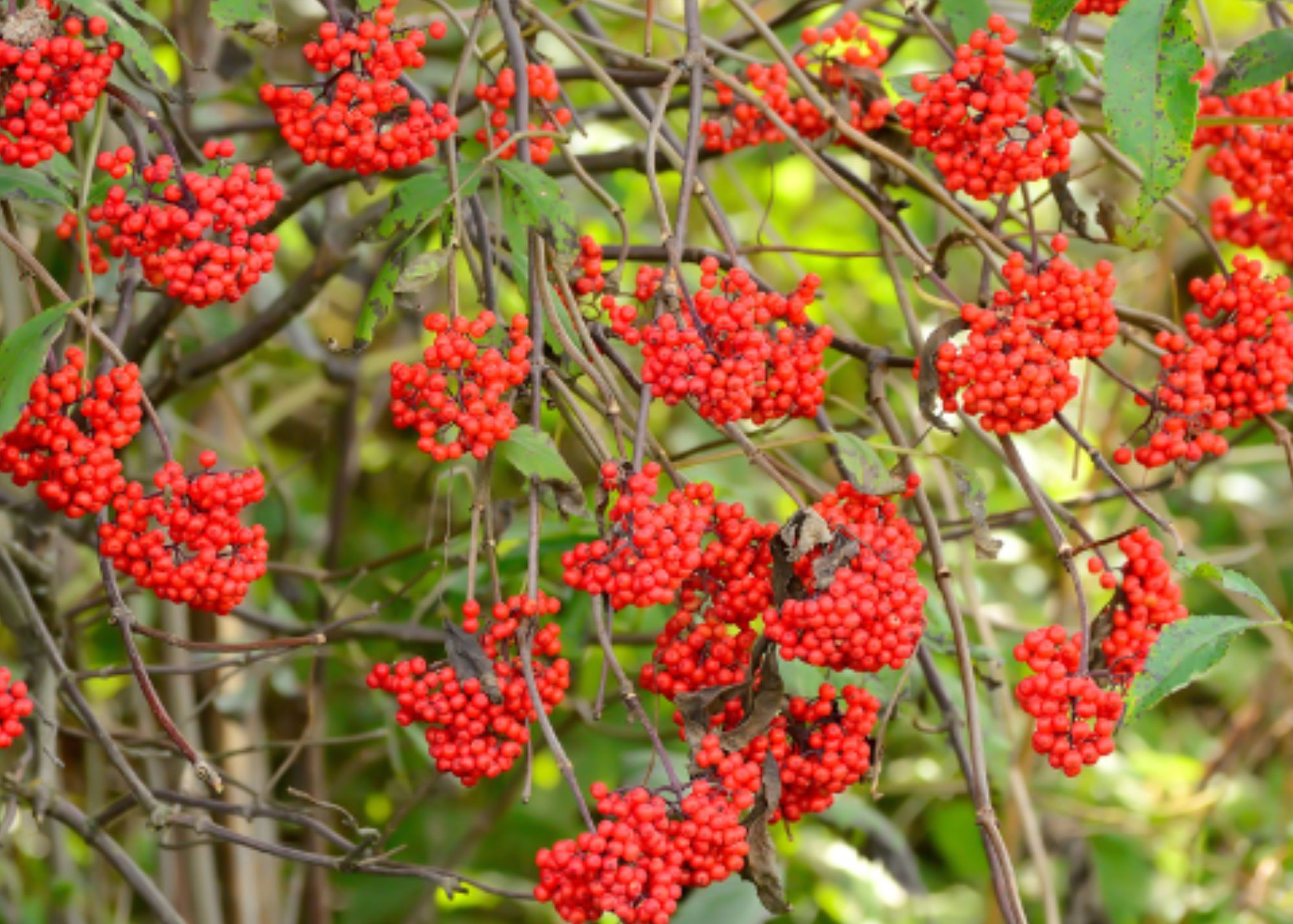
This fast-growing, large shrub has clusters of little red berries look very inviting, but eaten raw they may cause nausea. The roots, bark, leaves and stems are toxic due to the presence of a cyanide producing presence. The profuse sprays of white flowers on the red elderberry mature into large clusters of red berries that contrast beautifully against the pinnately compound leaves (leaves that are divided into smaller leaflets that grow on either side of a stem). The berries are consumed by birds but must be cooked before human consumption, but are toxic if prepared incorrectly.
- Rarity: Common
- Flowering time: Early Summer
- Life cycle: Perennial
- Height: 6-18 feet
- Habitat: Coastal, West-Side Forest
- Native: Yes
Sources: Wildflowers of the Pacific Northwest, Oregon Flora Project